Routines
Thumb sucking and pacifier use: when to worry
Sucking is a comfort reflex babies are born with, and for the first couple of years it is simply what small children do when they are tired, bored or unsettled. It is not a bad habit at that stage. It becomes worth watching later, and the timing matters more than the habit itself.
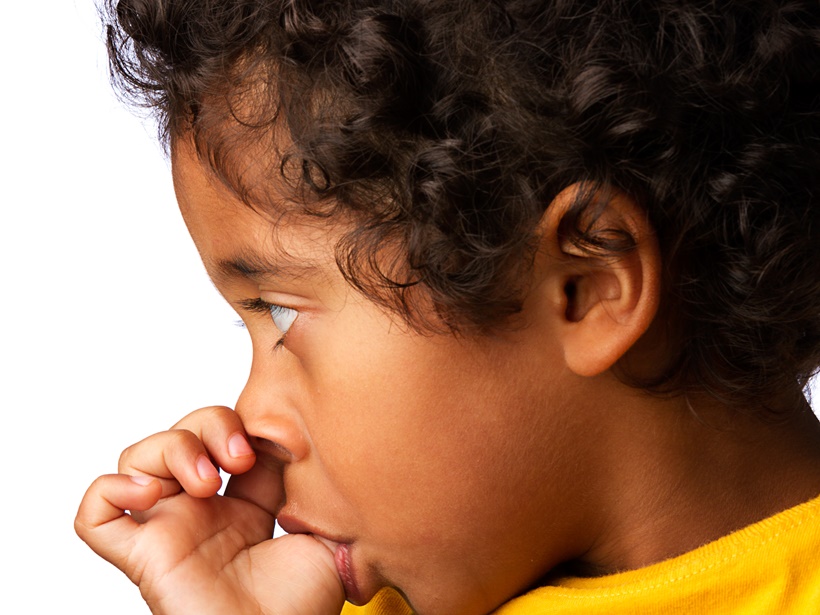
The normal window
Most children give up thumbs and pacifiers on their own somewhere between two and four, as other ways of settling themselves take over. If your one-year-old sucks a thumb at bedtime, that is not a dental problem, and treating it as one usually backfires.
What changes as the adult teeth arrive
Sustained sucking puts steady pressure on the teeth and on the shape of the palate. While everything is still baby teeth, that pressure tends to ease off once the habit stops. Once the permanent front teeth are coming through, around five or six, the same pressure has something far more permanent to push against.
That is the point where it stops being a comfort habit and starts being a bite question.
Signs worth mentioning to us
- The front teeth do not meet when your child bites down, leaving a visible gap.
- The top front teeth are angling forwards.
- Your child sucks hard enough that the cheeks pull in, or there is a callus on the thumb.
- The habit is still going strong past four, or runs through the day rather than just at bedtime.
What helps, and what does not
Shaming does not work, and neither does pulling the thumb out mid-sleep. What tends to work is noticing when it happens, offering the same comfort another way at those moments, and letting your child be part of the plan rather than the subject of it. Small visible progress beats a deadline.
If a habit needs more than that, there are gentle options we can talk through. We would rather look first than have you fight it alone.